
The Fracture: Why Modern Car Meets Feel Broken (And How to Fix Them)
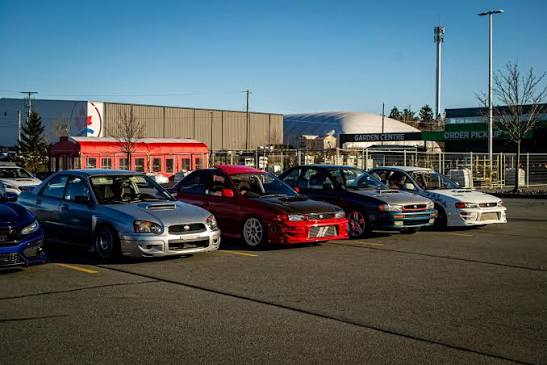 THEN / THE MEET
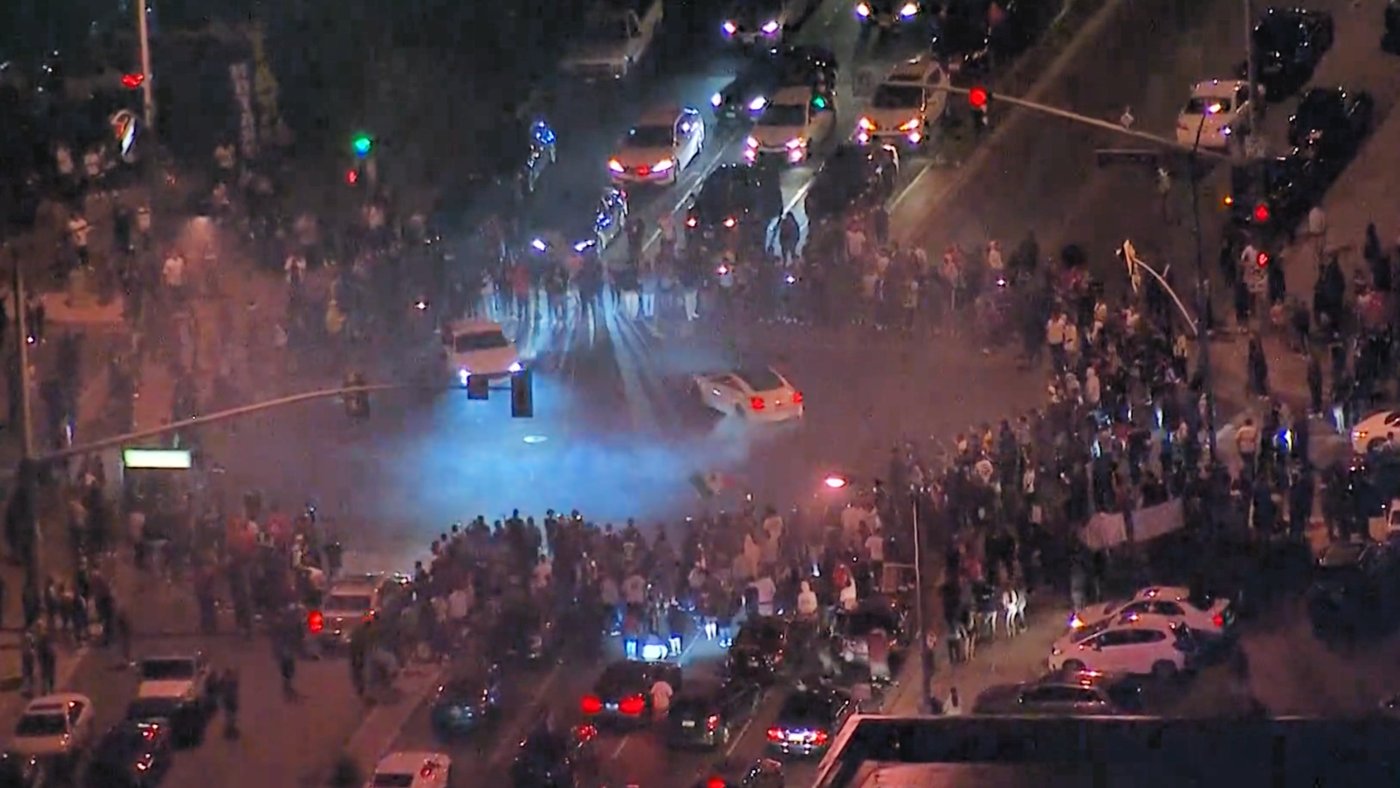 NOW / THE TAKEOVER
Images supplied by TRACKSET. Paired for editorial comparison.
If you walked into a local car meet in 2002, you knew exactly what to expect: popped hoods, the low hum of Eurodance or early 2000s hip-hop from a trunk subwoofer, flashlights illuminating engine bays, and hours of uninterrupted mechanical shop talk. It was a social club bound by shared grease, physical presence, and mutual respect.
Fast forward to the mid-2020s, and the landscape looks entirely different.
Today, walking into a car gathering can feel less like a community and more like a chaotic digital circus. Between the rise of destructive street takeovers, algorithm-fueled clout chasing, and a noticeable drop in old-school car etiquette, the car community is facing a massive identity crisis. The traditional car meet feels fundamentally fractured.
To save the culture, we have to look honestly at how the social mechanics shifted—and map out the exact blueprint required to fix it.
Part 1: The Three Crucial Structural Cracks
The shift from the analog forum days to the hyper-digitized social media era didn't just change how we look at cars; it fundamentally rewired the psychology of the people driving them. The modern meet broke down along three distinct structural fault lines.
1. The Incentive Shift: Craftsmanship vs. Clout
In the forum era, the ultimate reward was peer validation from an insular group of enthusiasts standing around your engine bay. If you cleanly routed your own custom intercooler piping or perfectly tucked a wire harness, the five guys looking at it knew exactly how many hours of frustration that took.
Today, the target audience is no longer the enthusiast standing next to you; it’s an invisible, omnivorous social media algorithm. When digital metrics (likes, shares, and viral reach) replace peer respect as the primary currency, build philosophy changes.
• The result: Craftsmanship takes a backseat to spectacle. It incentivizes loud, aggressive attention-seeking behavior—such as banging off a two-step launch control limiter in a crowded parking lot or installing visual mods designed strictly to pop on a phone camera sensor rather than perform on asphalt.
2. The Takeover Infection and the "NIMBY" Backlash
We must draw a hard, uncompromising line between a car meet and a street takeover (or sideshow). They are entirely separate subcultures that have been violently conflated by the media and local governments.
• A car meet is inherently static. It is modeled after the community garage day. Cars are parked, engines are off, and the focus is on looking, talking, and networking.
• A takeover is a dynamic, illegal flash mob. It relies on blocking public infrastructure, spinning cars wildly into crowds, and deliberately antagonizing law enforcement for social media exposure.
The tragedy is that municipal governments, insurance companies, and commercial property owners do not care about the nuance. When a viral video of a takeover hits the evening news, the local backlash is swift and absolute. Landlords adopt a strict NIMBY (Not In My Back Yard) policy, deploying private security to kick out peaceful car gatherings before the first hood is even popped. The reckless behavior of a non-car-enthusiast crowd is systematically starving the legitimate community of physical spaces to exist.
3. The Death of the "Search Before Posting" Mentorship
Old-school car forums were notoriously brutal on beginners, but they served a vital gatekeeping purpose. If a novice asked an obvious question, they were flamed with a firm "Search Before Posting." This forced newcomers to spend hours reading, absorbing the history of a platform, and understanding mechanical theory before they earned the right to contribute to the conversation.
Modern algorithmic feeds have entirely flattened this learning curve. Knowledge is parsed out in disconnected, 15-second vertical video clips. Because there is no barrier to entry and no collective memory, the traditional mentorship pipeline is broken. This has created a deep disconnect at meets: a generation of car owners who can buy high-horsepower, modern performance cars straight from a dealership but lack the foundational mechanical respect and community etiquette that used to be beaten into you on the forums.
Part 2: The Anatomy of a Ruined Meet
Every enthusiast has watched a great car meet die in real-time. It follows a highly predictable, mathematical progression that usually takes less than 60 minutes to execute.
• Phase 1: The Hardcore Core (0–30 Mins): The high-quality builds arrive early. Hoods go up, tools are swapped, and the conversation is strictly technical. The vibe is calm, professional, and relaxed.
• Phase 2: The Clout Influx (30–45 Mins): The atmosphere shifts. Cars roll in with windows up, music blasting, and drivers revving their engines just to get people to look. Mobile phones come out, and crowds begin to form around the exit of the parking lot, waiting for someone to do something stupid.
• Phase 3: The Clapper (45–55 Mins): An individual with an ego bigger than their driving skill decides to give the crowd what they want. They pull out of the lot, mash the gas pedal, lose traction, and narrowly avoid a curb or a spectator while bouncing off the rev limiter. The crowd surges, cameras record the near-miss, and the spot is officially compromised.
• Phase 4: The Extinction Event (60 Mins): Flashing red and blue lights fill the intersection. Legitimate enthusiasts scramble to leave without getting a ticket, the property owner signs a permanent trespass order, and another local meeting ground is dead forever.
Part 3: The Radical Blueprint to Save the Culture
We do not have to watch car culture get litigated and banned out of existence. Fixing the modern car meet requires us to aggressively borrow the self-policing values of our analog past and combine them with modern event logistics.
1. Shift the Chronology (The Morning Filter)
The absolute easiest way to filter out the reckless, attention-seeking element of the community is to change the clock. This is why the Cars & Coffee format became a dominant global blueprint. By shifting an event to a Saturday or Sunday morning at 7:00 AM, you instantly eliminate the late-night, chaotic crowd. People who want to block intersections and do donuts do not wake up at dawn to do it over espresso.
2. Radical Self-Policing and Group Accountability
The community cannot rely on the police to protect its spaces; the community must protect its own spaces. If someone enters a static meet and begins revving or driving aggressively, the culture needs to collectively shut it down.
• The Peer Pressure Method: It means actively walking up to the driver as a unified group and delivering a firm, unyielding message: "We worked hard to get permission for this lot. If you want to act a fool, take it somewhere else, or you’re blacklisted." When acting out makes you a social pariah among your peers rather than a viral sensation, the behavior stops.
3. Move the Spectators Away from the Exit
The catalyst for almost every single car meet crash is the "exit crowd"—the group of people standing on the sidewalk with phones out, filming cars leaving, screaming "Do a burnout!"
• The Fix: Modern event organizers must actively design the layout to keep spectators deep within the static display area. Use physical barriers, parking layout design, or designated staff to keep people away from the main road exit. If there is no crowd watching the exit, drivers have zero incentive to show off.
4. Support Crossover "Gate-Controlled" Venues
The era of the completely unmonitored, open-invite target parking lot meet is rapidly drawing to a close. The future of sustainable car culture lies in structured, curated events. Whether it's a gate-controlled "Select Meet," a track-day crossover event, or a breakfast meet held inside the secured gates of an automotive tuning shop or private race track, adding a small physical barrier or a nominal registration fee instantly weeds out the individuals who only show up to cause property damage and chaos.
The Verdict: The Road Ahead
The modern car meet isn't dead—it's just undergoing a painful evolution. The raw passion is still completely alive; the younger generation is modifying cars with an incredible level of technical creativity, and the global market access to high-end performance parts is better than it has ever been in human history.
But a sustainable community cannot survive on pure horsepower alone. It requires structure, manners, and a collective agreement that protecting our shared physical spaces matters more than going viral for 15 seconds. By bringing back the analog respect, the deep mechanical curiosity, and the fierce self-policing values of the golden era, we can fix the cracks in the pavement and ensure the next generation has a parking lot to call home.


COMMENTS